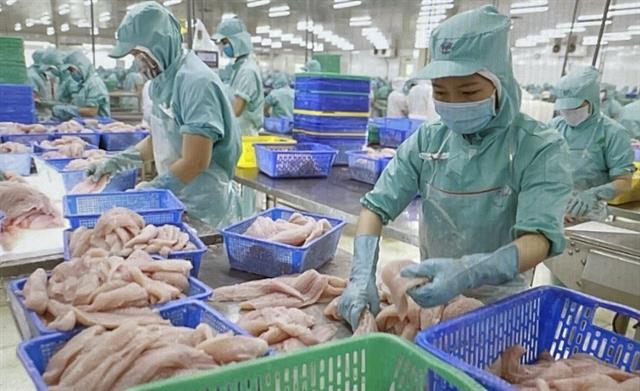
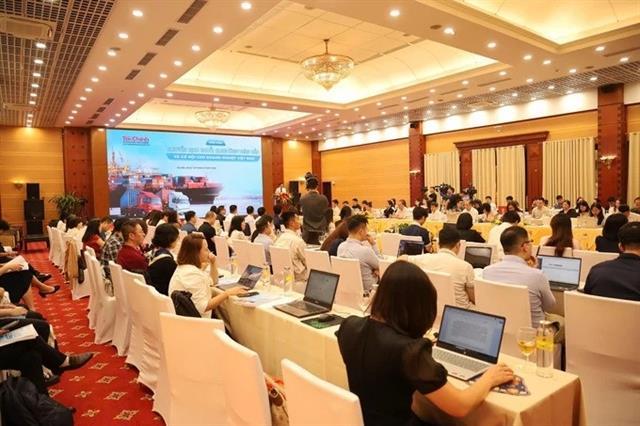
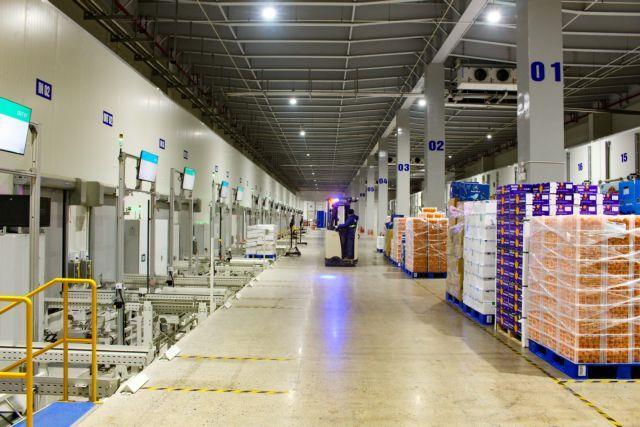
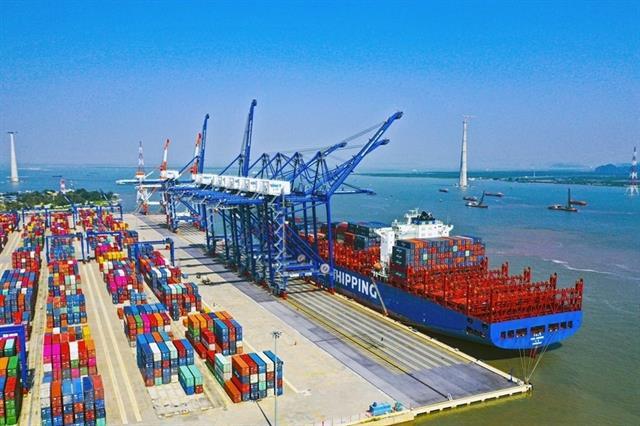
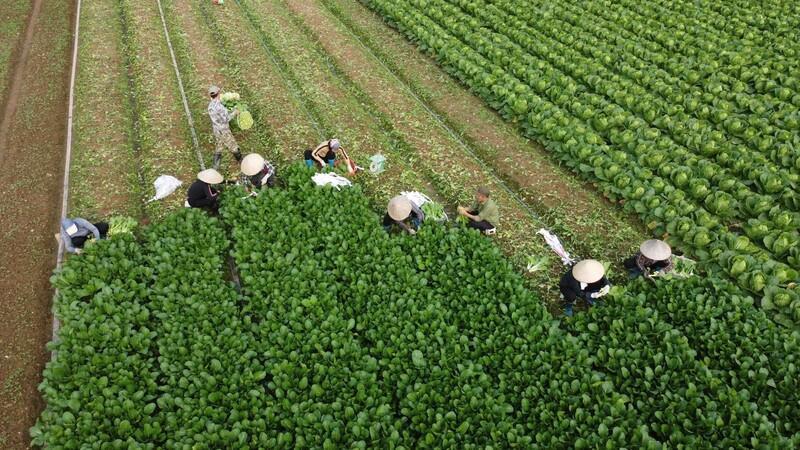

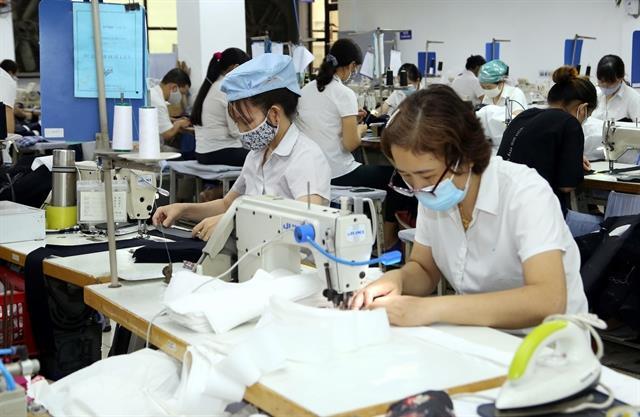
Global supply chains are being redrawn, creating a window of opportunity for Việt Nam to deepen its role in regional trade — provided the country can move faster on infrastructure, digitalisation and green logistics.
Logistics has become a decisive factor in supply chain competitiveness. The country''s total import-export turnover is projected to reach approximately $1 trillion for the full year of 2026.
The Việt Nam-US semiconductor partnership is therefore not simply a “golden opportunity” arising from geopolitical shifts, but also a long-term test of Việt Nam’s institutional reform and implementation capacity. If domestic capacity cannot keep pace, adjusting targets toward quality and...
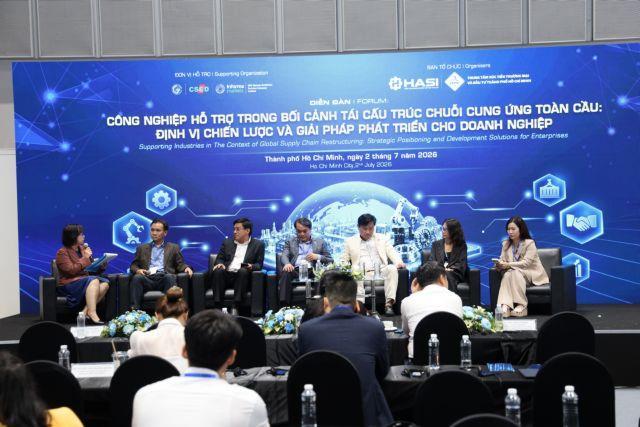
Strengthening supporting industries is essential to enhancing Việt Nam''s industrial competitiveness, increasing localisation and reducing reliance on imported inputs, officials and industry leaders said at a forum in HCM City on July 2.
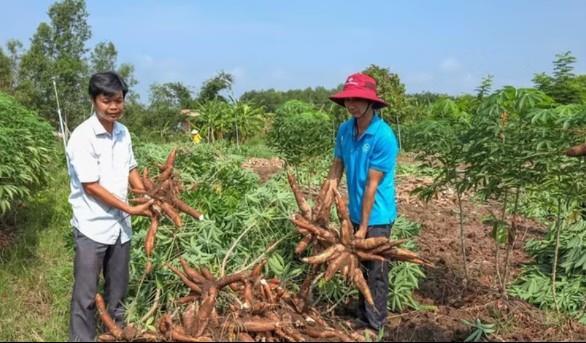
The nationwide rollout of E10 biofuel gasoline is creating a significant market for domestically produced ethanol, boosting demand for cassava and agricultural by-products.
Meeting international sustainability requirements is critical if the cassava sector is to maintain market share and achieve an export turnover of US$2.3-2.5 billion in the coming years.
Hà Nội is pushing deeper links between major corporations and SMEs to strengthen supply chains, boost autonomy and drive sustainable growth as global competition and restructuring intensify.
Hà Nội is stepping up digital transformation efforts to build a transparent food supply chain, a move seen as crucial to meeting growing consumer demand and driving sustainable, efficient agricultural growth.
After more than a decade of implementing a safe food supply chain programme, HCM City has made significant strides in promoting clean food production and raising public awareness about the issue.
Việt Nam’s CMC Technology Corporation expects revenue from the Japanese market to reach US$200-250 million, accounting for about 50 per cent of its total revenue in foreign markets.
In his directive, the PM emphasised the need for SOEs to stay ahead of the curve by adapting quickly and flexibly to the rapidly changing, complex global environment.
Experts agree that the ''bottleneck'' is because the majority of supporting industry enterprises are often small-scale, have financial difficulties, lack high-quality human resources and have not focused on investing in technology.
There will be more opportunities for Vietnamese companies to connect and work with international businesses and engage more deeply in the global network to facilitate the transfer of technical know-how and in training a skilled labour force.